

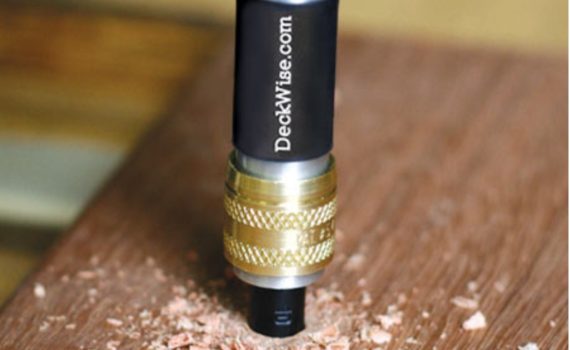
The Ultimate Guide to Pre-Drilling for Ipe: Tools, Tips, and Time-Saving Tricks
Category : Ipe
Working with Ipe hardwood is a rewarding experience for contractors due to its unmatched durability, rich beauty, and long-lasting qualities. However, it is also one of the densest hardwoods, which means it requires special attention during installation—particularly when it comes to pre-drilling. Pre-drilling is not just an extra step, but a necessity when working with Ipe, Cumaru, Garapa, or other hardwoods like Tigerwood and Jatoba. The right tools, techniques, and tricks can save you time, money, and a lot of headaches.
If you’re a contractor working in New York City, Brooklyn, or Long Island, where high-end deck projects are in demand, pre-drilling is essential for achieving a flawless finish that stands the test of time, even in New York’s harsh weather conditions. In this ultimate guide, we’ll walk through the tools you need, tips to streamline the process, and tricks that will save you time when installing Ipe and other hardwoods.
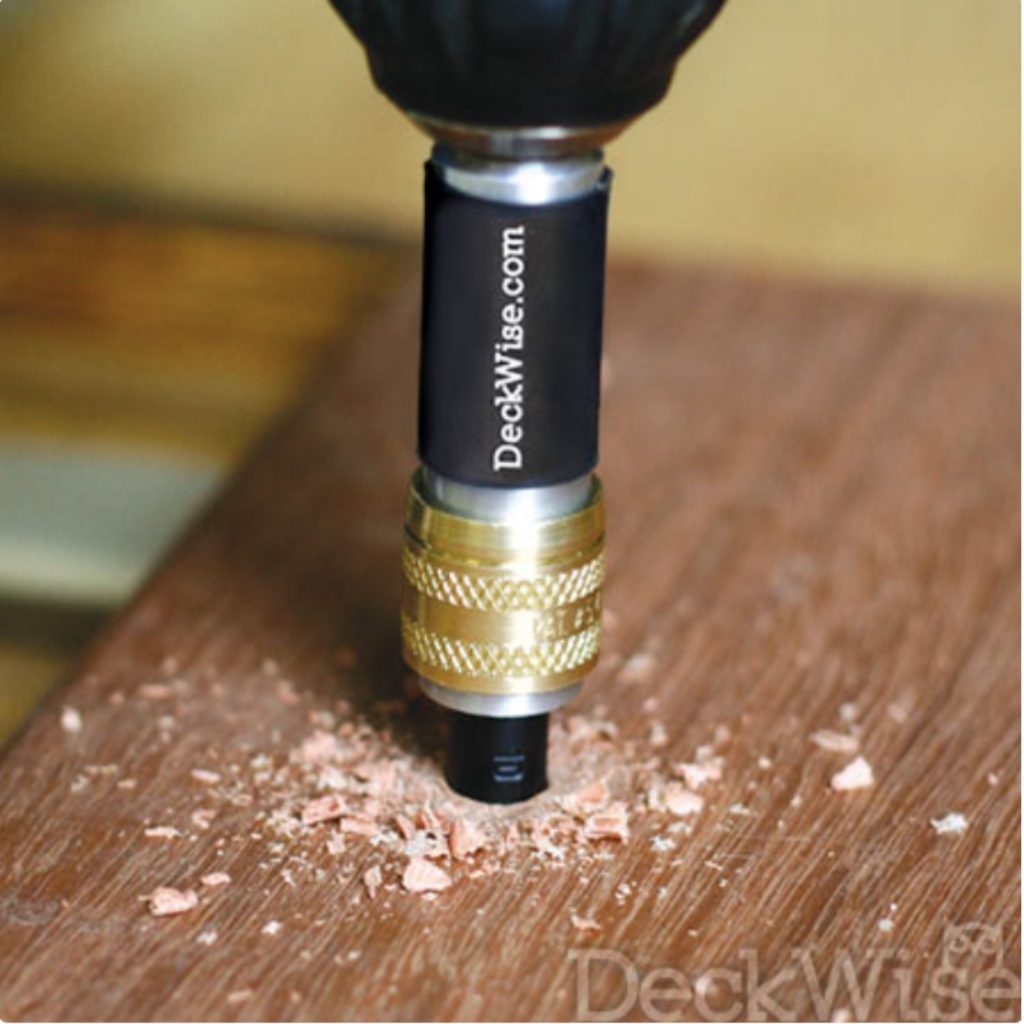
Why Pre-Drilling is Critical for Ipe Wood
Ipe hardwood, especially from Platinum Woods, is dense, durable, and highly resistant to wear. However, this density also makes it more challenging to work with compared to softer woods. If you try to fasten screws into Ipe without pre-drilling, you’re likely to split the wood or break your screws. Pre-drilling ensures that the screw enters smoothly, reducing the risk of damage and creating a secure hold.
This is particularly important in cities like New York, where decks and outdoor spaces endure a wide range of weather conditions, from hot summers to snowy winters. Pre-drilling not only ensures a sturdy deck but also extends its lifespan, making it a necessary step in any high-quality decking project.
Tools You Need for Pre-Drilling
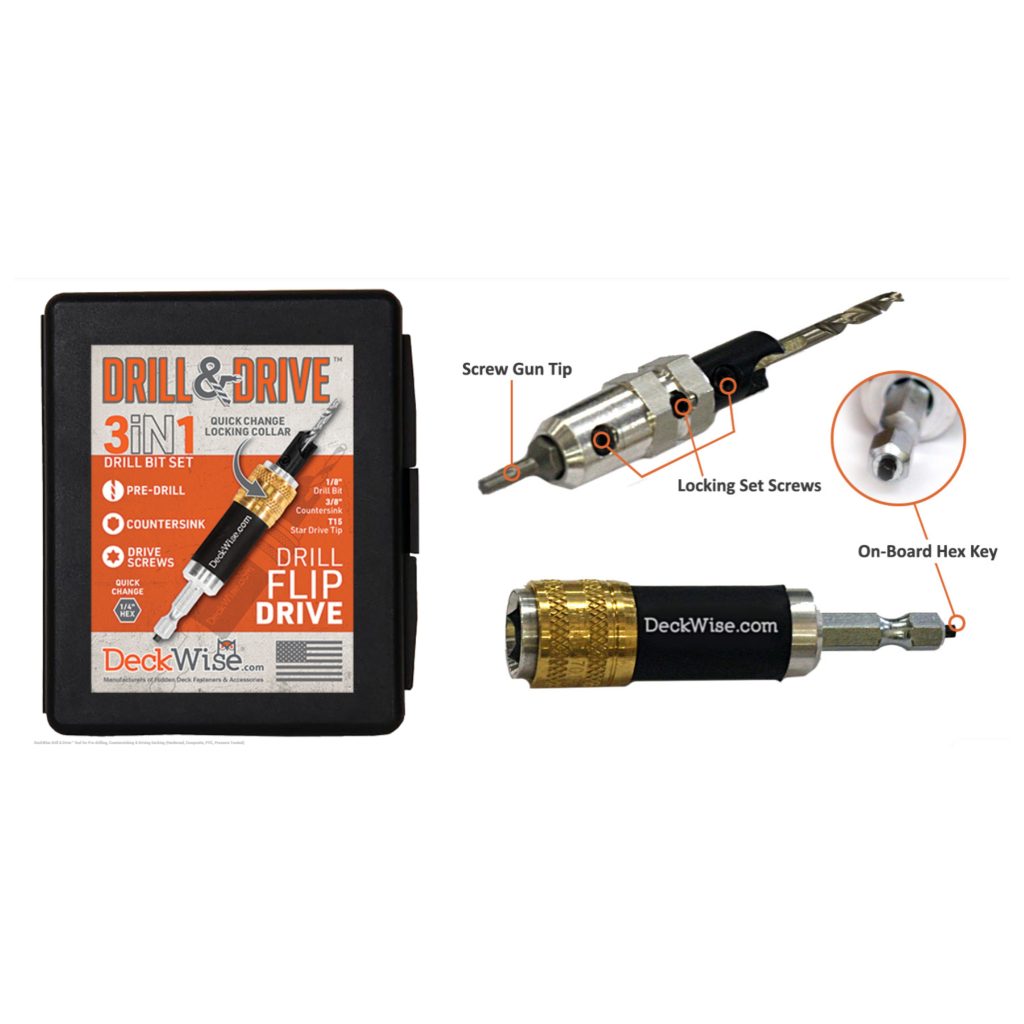
You need the right tools to get the best results when pre-drilling Ipe or other hardwoods like Cumaru, Garapa, or Tigerwood. Here’s what you should have in your toolkit:
- High-Quality Drill Bits
Standard drill bits won’t cut it with dense woods like Ipe. You need drill bits specifically designed for hardwoods. Look for cobalt or titanium-coated drill bits, which are strong enough to handle the density of Ipe without wearing out quickly. Sizes will vary based on the screw size you’re using, but generally, a 1/8-inch bit works for smaller screws, while larger screws may require a 3/16-inch bit.
- Countersink Drill Bit
A countersink drill bit is essential for ensuring your screws sit flush with or below the surface of the Ipe wood. This prevents the screw heads from sticking out, creating a smoother, more aesthetically pleasing finish, especially when working on high-visibility projects in upscale areas of New York like Manhattan or Westchester County.
- Cordless Power Drill
A cordless power drill will save you time and effort for large projects like decking or siding. Look for a drill with variable speed settings so you can control the power output when working with different hardwoods. Pre-drilling can be a tedious task, so a lightweight drill will help reduce fatigue on long projects.
- Depth Stop Collar
A depth stop collar attaches to your drill bit and ensures you drill to a consistent depth, preventing you from accidentally drilling too deep into the wood. This is particularly useful when working with Ipe, as drilling too deeply can compromise the structural integrity of the wood.
- Vacuum Attachment
Hardwood dust can quickly clog up your drill bit and slow down your progress. A vacuum attachment can help clean the work area, allowing you to pre-drill more efficiently.
Time-Saving Tips for Pre-Drilling Ipe
Pre-drilling may seem time-consuming, but with the right techniques, you can speed up the process without compromising on quality. Here are some time-saving tips:
- Measure and Mark First
Before you start drilling, take the time to measure and mark where each screw will go. This will help you avoid mistakes and ensure even spacing, which is particularly important when working on large decks or intricate designs in places like The Hamptons or Staten Island. Use a carpenter’s pencil or chalk line to mark the spots.
- Use a Template
If you’re drilling multiple boards with similar hole patterns (for instance, decking boards), use a template to save time. A template can be made from scrap wood and will allow you to quickly mark where holes should be drilled on each board.
- Pre-Drill in Batches
Instead of pre-drilling each board as you go, pre-drill several boards in one batch. This reduces the amount of tool swapping and movement on the job site, helping you to work more efficiently.
- Drill Pilot Holes
Pilot holes can be a lifesaver for especially thick Ipe boards or when working with hardwoods like Jatoba. Drill a smaller hole first before using the larger drill bit for your screws. This reduces the amount of pressure needed to drill through the wood and prevents the drill bit from overheating.
Tricks for Flawless Installation
Pre-drilling isn’t just about getting the job done—it’s about doing it well. Here are some tricks to ensure your installation looks flawless and performs at its best:
- Countersink Every Hole
Even if you’re using high-quality screws, countersinking will ensure that the screw head is recessed into the wood. This creates a clean, finished look that’s ideal for high-end projects in Greenwich Village or SoHo. Countersinking also reduces the chance of the wood splitting at the surface, which can happen even when pre-drilling.
- Use Hidden Fasteners
For a truly seamless finish, consider using hidden fasteners like Deckwise hidden clips. These allow the boards to be secured without any visible screws, giving the deck or siding a polished, professional look. This is especially popular in high-traffic areas like Brooklyn Heights or Central Park where aesthetic appeal is a priority.
- Seal the Ends
After pre-drilling and cutting the boards to size, always seal the ends with an end grain sealant. This prevents moisture from penetrating the wood, which is particularly important in New York’s humid summers and snowy winters.
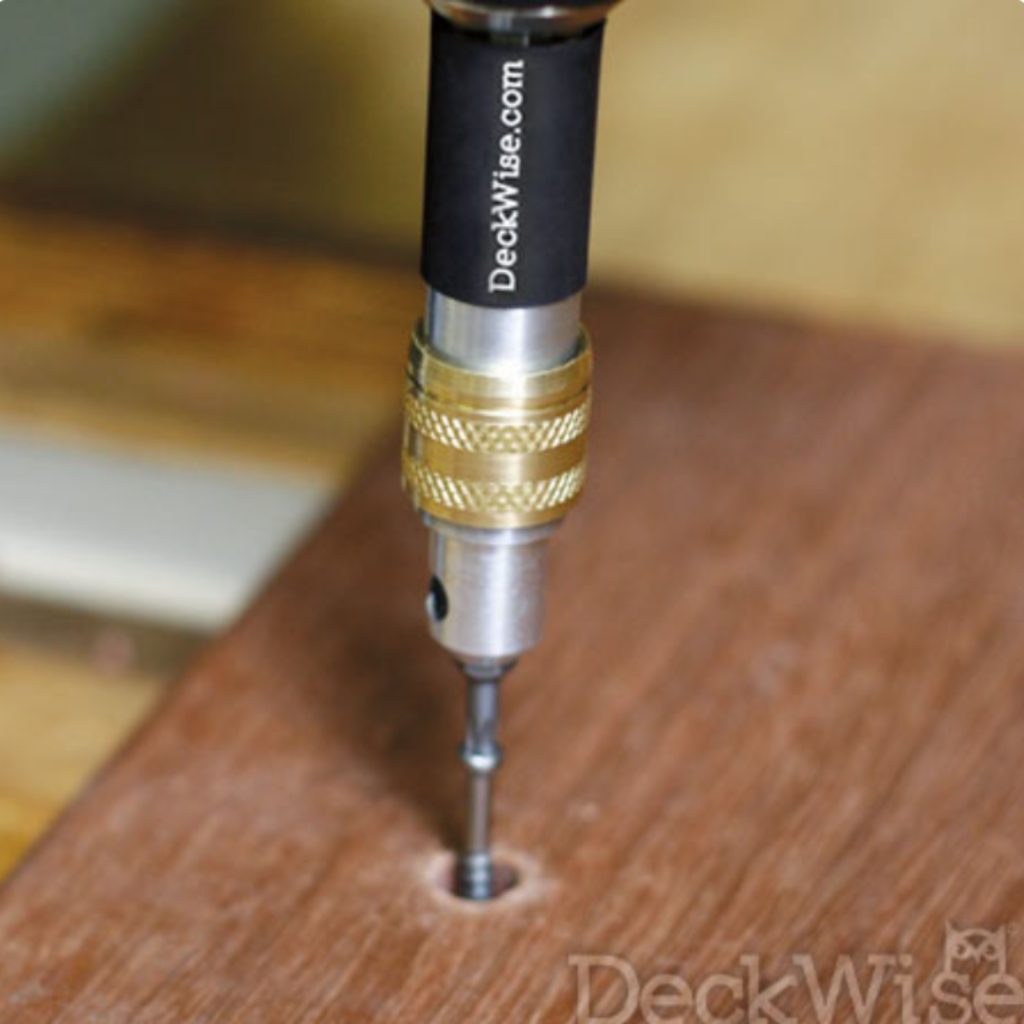
Pre-drilling is an essential step when working with Ipe and other dense hardwoods like Cumaru, Garapa, Tigerwood, or Jatoba. With the right tools and techniques, you can streamline the process and ensure a high-quality result that will last for years. By following the tips and tricks in this guide, you’ll be able to create stunning decks, siding, or pergolas that are not only beautiful but durable—perfect for withstanding the elements in New York’s diverse climates.
When you choose Platinum Woods Ipe, you’re investing in top-quality lumber that comes from responsibly managed forests with FSC certification, ensuring sustainability along with superior performance. Whether you’re working on a deck in Westchester, a pergola in Queens, or a fencing project in Park Slope, pre-drilling is the key to long-lasting success.